
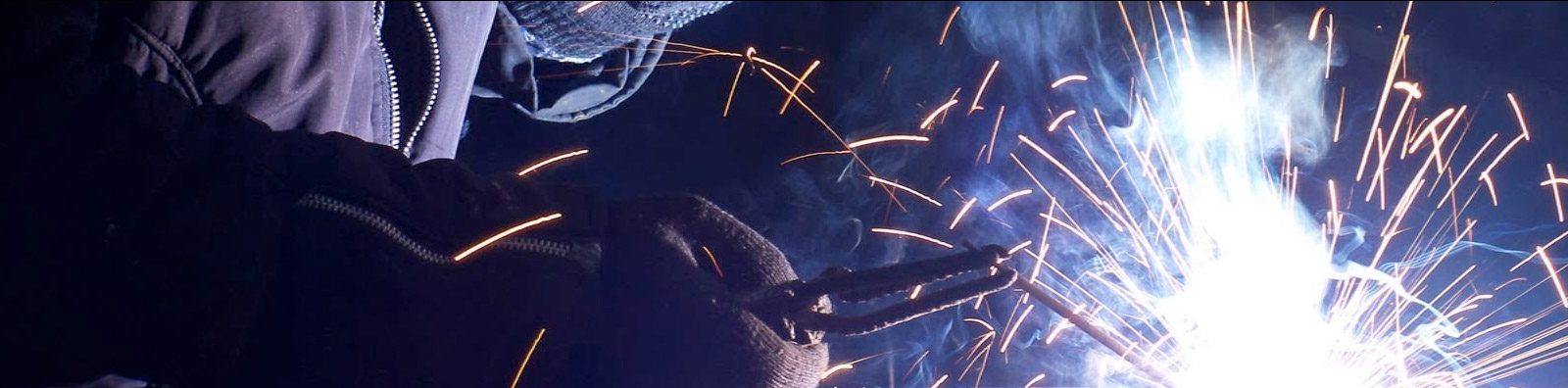
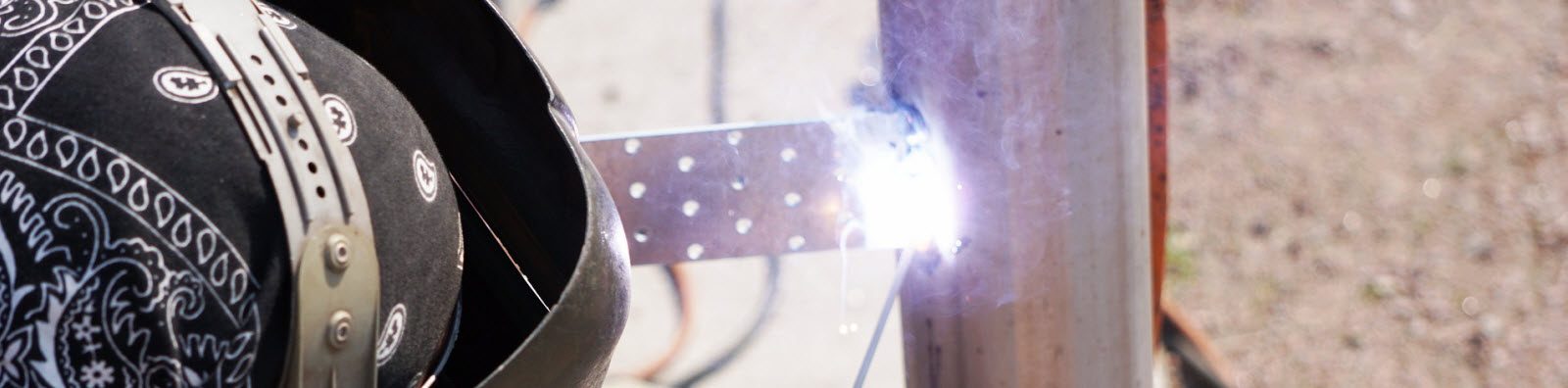
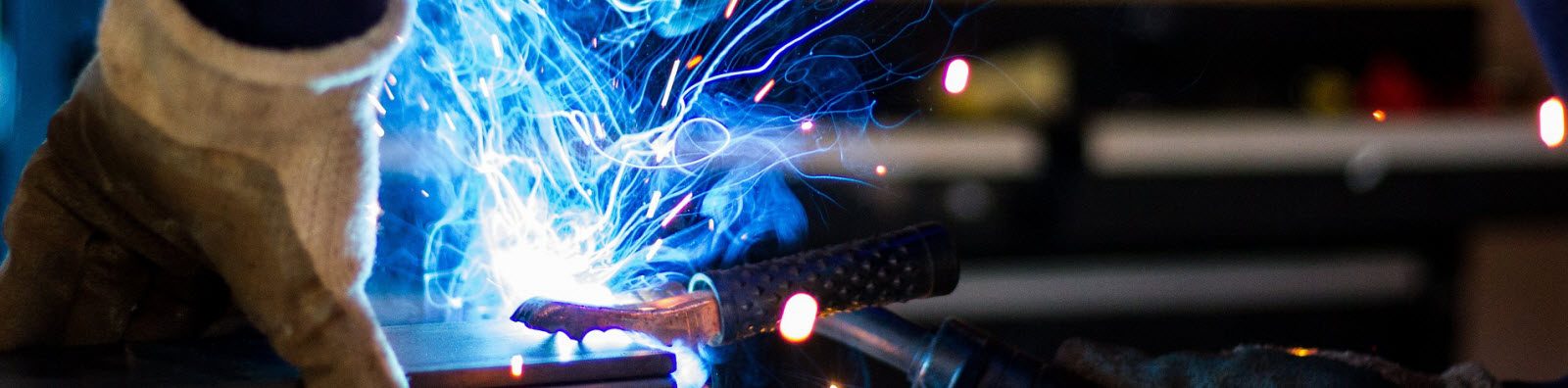
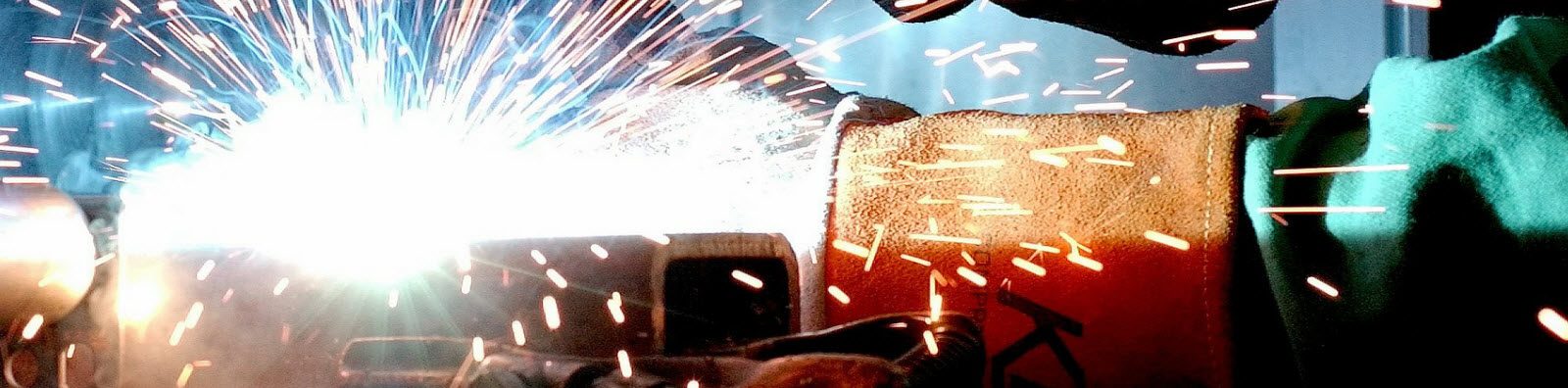
Structural welding is a critical process in modern construction and manufacturing, providing the framework for everything from skyscrapers to bridges. It involves joining metal components together to create structures that can withstand immense stress and pressure. Whether in buildings, ships, or heavy machinery, structural welding ensures durability and safety in projects that shape our built environment. In this blog post, the experts from Bowtie Tony’s Welding dive deeper into this.
The Role of Structural Welding in Construction
At its core, structural welding connects steel and metal components to form the skeleton of large structures. These welds must be strong, reliable, and precise, as they often bear heavy loads and face environmental challenges such as wind, heat, and vibration. In construction, structural welding is used to fabricate beams, columns, trusses, and girders—elements that support and stabilize entire buildings. This makes it a cornerstone of the construction industry, directly influencing the strength and longevity of every structure it helps create.
Different Types of Structural Welding
There are several methods of structural welding, each chosen based on the project’s requirements and materials involved. Shielded Metal Arc Welding (SMAW), commonly known as stick welding, is one of the most traditional and widely used techniques due to its versatility and effectiveness in outdoor conditions. Gas Metal Arc Welding (GMAW) or MIG welding is another popular choice, offering cleaner and faster welds for high-production environments. More advanced methods like Flux-Cored Arc Welding (FCAW) and Gas Tungsten Arc Welding (GTAW) are also used for specific applications where precision or material type demands special attention.
Training & Certification for Structural Welders
Because of the critical nature of the work, structural welders must undergo rigorous training and certification. They learn to read blueprints, understand metal properties, and master welding positions and techniques. Certification from organizations like the American Welding Society (AWS) ensures that welders meet safety and quality standards for specific structural applications. In addition to technical skill, a structural welder must have attention to detail, patience, and a strong sense of safety awareness, as even a small flaw in a weld can compromise an entire structure.
Ensuring Safety & Quality in Every Weld
Quality control in structural welding is vital. Welds are often inspected using methods such as X-rays, ultrasonic testing, and visual inspections to verify their integrity. Safety is equally important, as welders work with high temperatures, electricity, and sometimes hazardous environments. Following safety protocols and using protective equipment reduces risks and ensures a reliable outcome for both workers and structures.
Mobile Welding & More in Platteville, Brighton, Longmont, Denver, Metro & Northern Front Range Colorado Region
Structural welding is more than a technical skill—it’s an essential part of building the world around us. From bridges that connect cities to industrial plants that power communities, the results of structural welding can be seen everywhere. Its combination of strength, precision, and artistry transforms raw metal into structures that endure for generations. As technology continues to advance, the field of structural welding will only grow stronger, reinforcing the foundations of modern progress. If you are in need of specialized industrial welders, call the professionals at Bowtie Tony’s Welding to make a lasting impact of structural welding.
